What is the scam in which people pose as hitmen or pimps?
Have you heard of the "hitman or pimp scam"? It's a new scam in which cybercriminals pose as hitmen and blackmail you to get your money. Find out how they carry out this scam and what to do if you encounter…
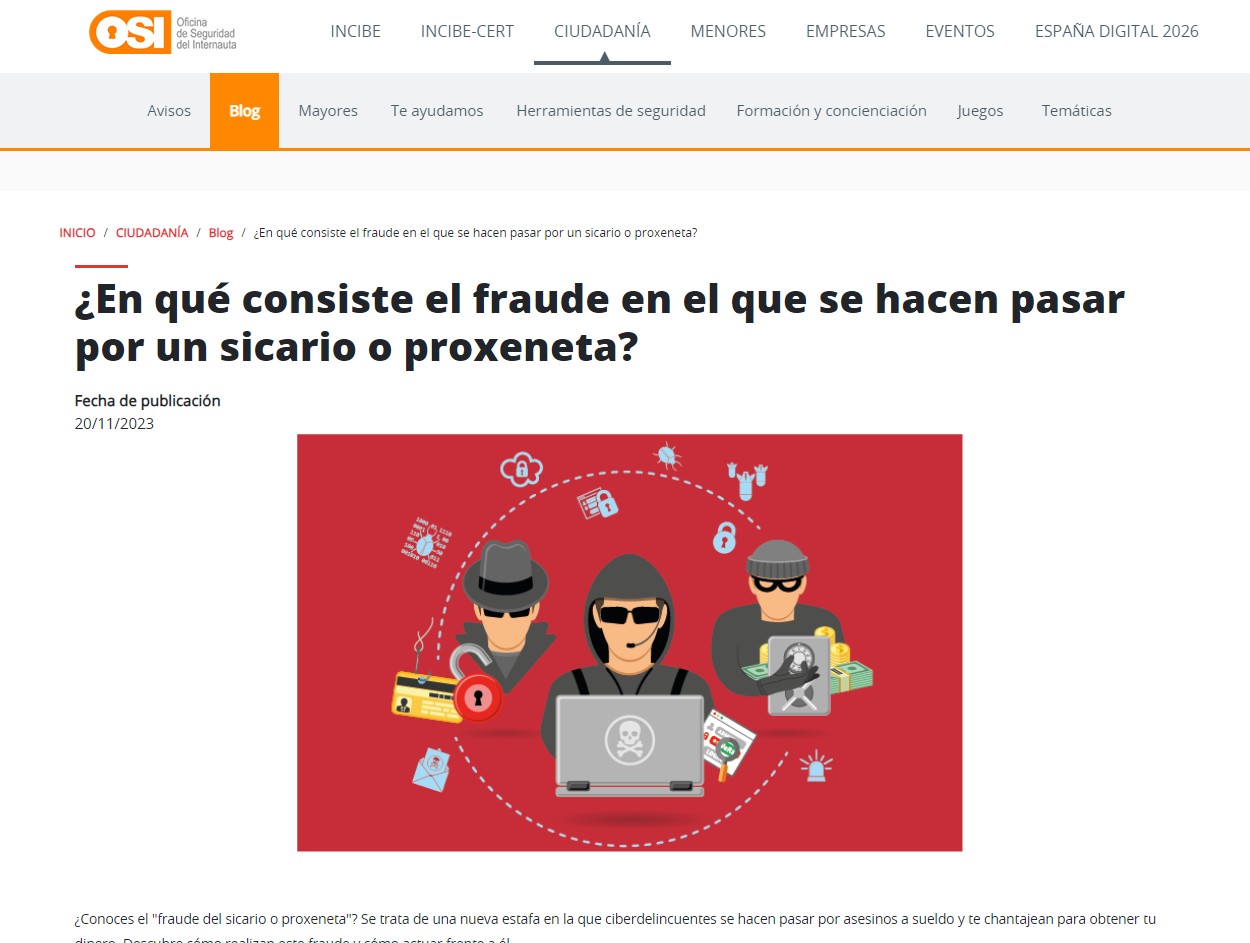
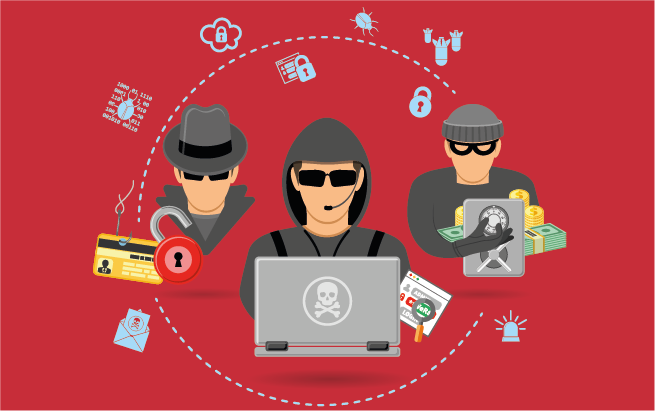
Have you heard of the “hitman or pimp scam”? It’s a new scam in which cybercriminals pose as hired killers and blackmail you to get your money. Find out how they carry out this scam and how to deal with it.
In the digital age, criminals have found new ways to exploit people’s vulnerabilities. A striking example of this is the rise of a scam involving pornography websites. In this article, we’ll explore in detail what this scam is, how it works, and how to protect yourself from it.
What is this scam, in a nutshell?
Imagine receiving a WhatsApp message from an unknown number. The sender claims to be someone who oversees escorts and accuses you of having harassed one of them. From there, a chilling game of extortion begins that can drive victims into a state of extreme panic.
Cybercriminals claim that, because of this alleged harassment, the victim must pay large sums of money to avoid serious consequences. They may threaten to send hitmen to the victim’s home or even to the homes of their family members to cause harm, hinting at actions such as kidnapping, beatings, and even murder. To make these threats even more terrifying and believable, they attach graphic images and videos of extreme violence: mutilated bodies, weapons, masked thugs, and other images of this nature.
In most cases reported through INCIBE’s Cybersecurity Helpline, victims admit to having visited prostitution-related dating websites but insist they never interacted with any of the people advertised there. So how is it possible that criminals have enough information to carry out this extortion?
How does it all start?
One of the main modus operandi identified is as follows. Cybercriminals post fake ads with photos and a contact number on pornographic dating websites or sites that facilitate sexual encounters, waiting for a user to take the bait. Once they obtain the victim’s phone number, they use it to intimidate and extort them.
Protect Yourself and Don’t Be Fooled
It’s essential to protect yourself against these types of threats and not give in to the fear instilled by cybercriminals. To do so, we recommend following these guidelines:
- Do not follow the instructions in the WhatsApp message/call/communication: No matter how terrifying the threats may be, do not follow the instructions provided by the criminals.
- Report the number: Report the number from which you’re being threatened, and after doing so, block the contact to prevent further communication.
- Do not share personal or banking information: Criminals can use any information you provide against you.
- Gather evidence: If the harassment continues, collect as much evidence as possible—such as screenshots, audio recordings, or call recordings—and file a report in person with law enforcement authorities.
- Practice egosurfing: If you’ve provided any personal information, check what personal details about you are available online to prevent your information from being used again in any type of fraud.
It’s very important to remember that these people generally don’t intend to physically harm you; their only goal is to get money by using fear and intimidation.
If you ever find yourself in such a situation, remember to keep a cool head, do not give in to blackmail, and seek help from the authorities to investigate the case and protect yourself. Don’t let panic or the fear of “what people will say” get the better of you; cybercriminals can use situations that threaten your reputation to pressure you more easily.
These scammers may use various methods to contact you and scare you. They employ social engineering and a variety of tricks to extort money from you. The ways they may try to contact you include:
- Online messaging: They may use chat apps or messaging services—such as WhatsApp or Telegram—to communicate and carry out their scam, sending you violent images or videos through these platforms to instill fear in you.
- Phone calls: They call you directly and make threats over the phone. Sometimes they use anonymous calls so you can’t trace them.
- Emails: They send you threatening emails, posing as hitmen or members of the criminal underworld. They use threatening language and often make up details of the incident to make it sound more real.
- Text messages: They may also send you text messages with similar threats, demanding money in exchange for not harming you or your family.
- Social media: In some cases, they contact you through Facebook, Instagram, or other social media platforms. They create fake profiles and send you frightening messages.
Were you aware of this scam? We encourage you to share this information with your friends and family. This way, we can help minimize its impact on the public.
For additional information on the various threats circulating online, we recommend visiting our INCIBE website. Go to the “Citizens” section to access a wide range of informational resources and tips on how to incorporate cybersecurity into your daily life. And if you have any questions about these scams or need advice, contact us through the Cybersecurity Helpline by calling 017 or via WhatsApp (900 116 117) or Telegram (@INCIBE017).
Related articles

Security Alert: AnyDesk Detects a Critical Vulnerability That Allows Remote Code Execution on Linux

What is Flipper Zero? What is it used for? What happens if it is not used for the purpose for which it was created?duplicate
